Follow

Translate

NYC Psychotherapist Blog

power by WikipediaMindmap
Showing posts with label romance. Show all posts

Monday, December 29, 2025

The Problem With Emophilia: Falling In Love Too Hard and Too Fast

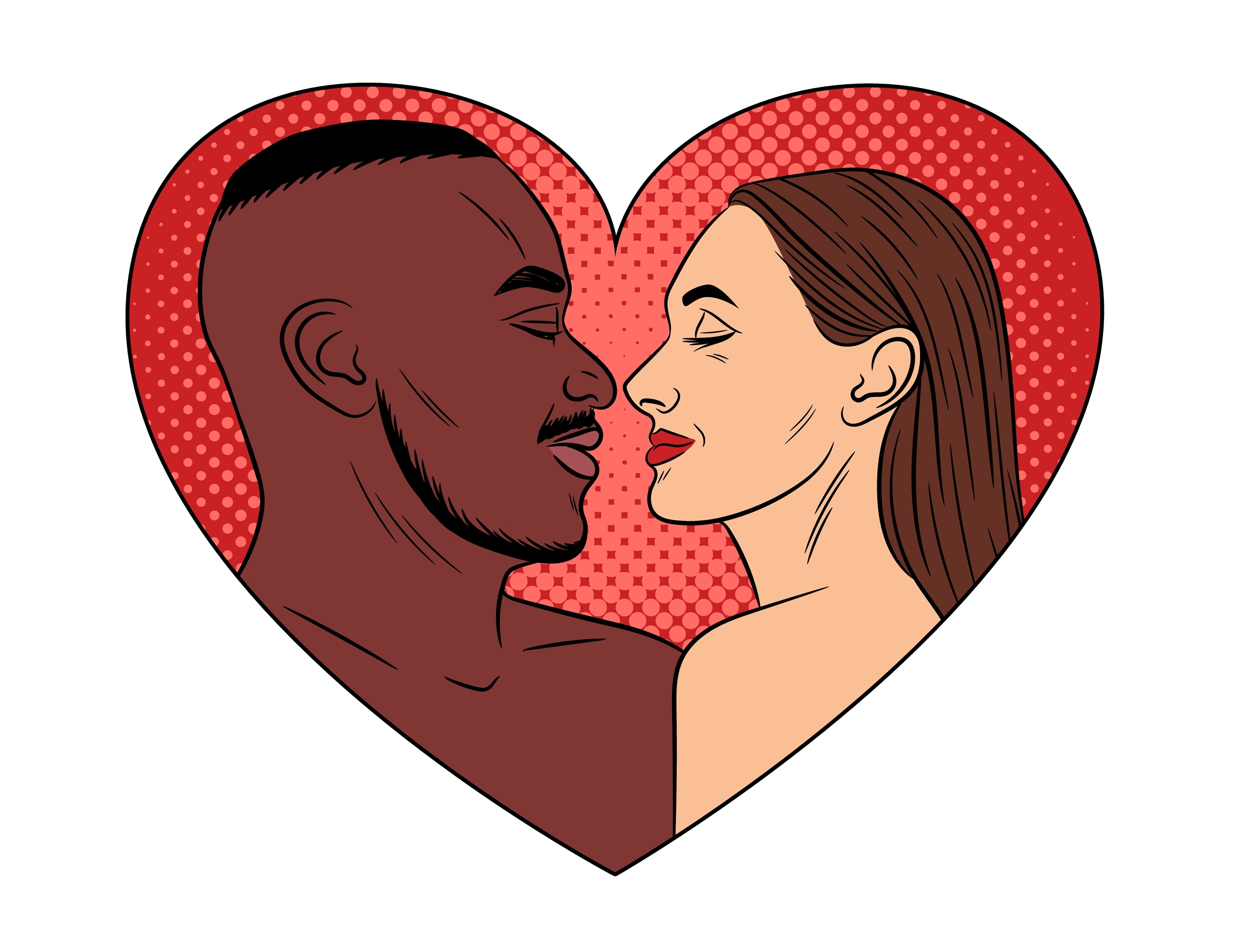
Emophilia means falling in love too hard and too fast (see my article: Falling In Love With the Fantasy Rather Than the Reality).

Falling In Love Too Hard and Too Fast

People with emophilia prioritize the exhilarating feeling of falling in love over the practical evaluation of a partner which often sabotages long term relationship success.

What Are the Problems With Emophilia?
The problem with emophilia is that it can lead to:
  • Risky behavior
  • Poor relationship choices
  • Potential exploitation by a partner
  • Heartbreak
People who have problems with emophilia often overlook red flags because they rush into relationships without knowing the other person. 

This also puts them at risk for getting involved with partners who have Dark Triad personality traits including:
  • Narcissism
  • Machiavellianism 
  • Psychopathy
The impulsivity of emophilia results in unhealthy patterns, power imbalances and repeated cycles of intense highs followed by heartbreak as opposed to a stable, healthy connection.

Emophilia often overlaps with an anxious attachment style because these people seek intense attachments to feel whole or avoid rejection. 

Key Issues of Emophilia:
  • Ignoring Red Flags: The intense rush of feelings overshadows the warning signs. This makes people ignore manipulative and toxic behavior. There is a tendency to only focus on their partner's seemingly positive traits while being in denial about the toxic traits.
  • Attraction to Toxic Partners: These individuals tend to be attracted to people with Dark Triad traits (as mentioned earlier). This leads to a repetition of harmful relationships.
  • Impulsive and Risk Behavior: This can include unsafe sex and making a commitment to a relationship before knowing the other person well (e.g., getting married or moving in quickly).
  • Relationship Imbalance: An example of this is saying "I love you" too quickly which puts pressure on the other person and creates a relationship imbalance and resentment.
  • Emotional Volatility: This pattern usually involves quick, intense romantic involvement followed by instability or drama instead of deep sustainable love.
  • Exploitation: Charismatic individuals with Dark Triad personality traits can easily exploit their partner's quick emotional investment for their own selfish gains. Individuals with Dark Triad traits often start relationships by love bombing their partner--not because they are so interested in their partner but because they want their partner to fall for them quickly so they can manipulate them.
Clinical Vignette
The following clinical vignette is a composite of many different cases with all identifying information changed to protect confidentiality:

Beth
After the breakup of her fourth relationship, Beth sought help in therapy at the suggestion of her close friends. They told her that they saw recurring negative patterns in the men she chose (see my article: Do Your Friends See Red Flags in Your Partner That You Don't See?).


Falling In Love Too Hard and Too Fast

Beth wasn't sure she agreed with her friends, but she knew she needed help to understand why each time she got into a relationship, she thought she met her soulmate, but after a while her partner lies, cheats and leaves her for another women (see my article: Why Looking For a Soulmate Will Disappoint You).

She told her therapist that her last partner, Bill, pursued her relentlessly after they met at a party.  The day after they met, Bill sent her a beautiful bouquet of roses with an invitation to go to an exclusive restaurant.

From the moment she met Bill, Beth thought he was very handsome and charismatic. On their first date Bill told her that he couldn't stop thinking about her.

Beth felt like she was a princess in a fairy tale by their second date. In her imagination, she could see herself walking down the aisle to marry Bill. She pictured their beautiful home with two children.

Her close friends warned her that she was allowing herself to fall in love with love rather than taking the time to get to know Bill. They also warned her that Bill was love bombing her, but Beth ignored them because she liked the feeling of being swept off her feet.

On their fourth date, when Bill told her that the lease on his Manhattan apartment was about to expire, Beth saw this as a sign they were meant to be together and she told him he could move in with her.

Their first week of living together was like a dream come true for Beth. She was sure Bill loved her, so one night when she made a special dinner for them, she told Bill that she loved him.  Bill kissed her on the cheek, but Beth was disappointed he didn't tell her that he loved her too.

A few weeks later, Bill told her he was having dinner with a friend and she shouldn't wait up for him. When Beth asked him who he was having dinner with, Bill seemed annoyed and just repeated he would be home late.

When Beth woke up in the middle of the night and she realized Bill wasn't home yet, she became worried. She texted his phone, but her message wasn't delivered. Then she tried calling him, but her call went straight to voicemail.

When he walked in at 3 AM, Bill was startled to find Beth sitting on the couch waiting for him, "What are you doing, Beth? Why aren't you asleep?"

When she responded that she was worried because she couldn't reach him, Bill snapped at her. He said he didn't like her checking up on him and he refused to tell her who he was with and what he was doing.

After they had a big argument the next morning, Bill packed some pf his things and said he would be staying with a friend for a few days. Once again, he refused to give Beth any information.

When Beth called her friend Jane in a state of tears, Jane was quiet for a few seconds. Then, reluctantly, she told Beth she saw Bill kissing another woman at an outdoor restaurant.  Jane felt devastated.

During the next two weeks Beth felt like she was on an emotional roller coaster. When she tried to talk to Bill about the other woman, he refused to talk to her. He slept on Beth's couch, left early in the morning before she woke up and came back after she was asleep.

Then, one day Bill didn't come home at all. When Beth got home from work, she discovered that  all of his belongings were gone. He ignored her calls and texts for days. Then one day he sent her a short text that he was through with her and he told her not to contact him again.

Beth told her therapist that her prior relationships began and ended in similar ways and she couldn't understand why she had such "bad luck" in her relationships (see my article: Unhealthy Relationship: Bad Luck or Poor Choices?).

Her therapist provided Beth with psychoeducation about emophilia and helped Beth to see the connection between her relationship choices and her family history in a volatile family home with a depressed mother and narcissistic father who had extramarital affairs.

Her therapist talked to Beth about trauma therapy to work through her traumatic family history which she was unconsciously repeating in her relationships.

Beth worked through her traumatic history in trauma therapy with a combination of EMDR therapy and IFS Parts Work Therapy (see my article: Combining EMDR and IFS Therapies).

The work was neither quick nor easy but, over time, Beth could feel she was freeing herself from her family history (see my article: Progress in Therapy Isn't Linear).

She was no longer attracted to men who had Dark Triad traits and when she met someone with these traits, rather than being charmed by him, she ended her contact with him quickly.

She also took her time to get to know men she liked before she made a commitment to be in a relationship.

Conclusion
Emophilia isn't a psychiatric diagnosis. It's a personality trait characterized by a powerful drive to experience the thrill of falling in love without assessing a potential partner. 

These individuals tend to attract partners with Dark Triad traits because they fall in love with love and they are easy to manipulate by these type of partners.

Get Help in Therapy
If you recognize that you tend to fall in love too hard and too fast, seek help from a licensed mental health professional who has an expertise in this area.

Get Help in Therapy

A psychotherapist who has an expertise in trauma therapy can help you to become aware of your relationship patterns and overcome the underlying issues driving these unconscious patterns, 

Once you have worked through these issues, you can make better relationship choices and live a more fulfilling life.

About Me
I am a licensed New York psychotherapist, hypnotherapist, EMDR, AEDP, EFT (for couples), Parts Work (IFS and Ego States Therapy), Somatic Experiencing and Certified Sex Therapist.

As a trauma therapist, I have over 25 years of experiencing individual adults and couples.

To find out more about me, visit my website: Josephine Ferraro, LCSW - NYC Psychotherapist.

To set up a consultation, call me at (917) 742-2624 during business hours or email me.


Sunday, January 7, 2024

Understanding the Connection Between Your Personality Type and Your Choice of a Romantic Partner

In her book Why Him? Why Her? Understanding Your Personality Type and Finding the Perfect Match, Dr. Helen Fisher, a biological anthropologist and leading expert on romantic love, writes that there is a strong connection between your personality type and love.  

She posits that your personality influences how you select a romantic partner.

The Connection Between Personality and Romance

Before delving further into this topic, let's define what we mean by the word "personality."

What is Personality?
Personality is made up of your character and your temperament.  

    Character:
Your character is formed based on your experiences, including:
  • Your family values and interests
  • How your family expressed love and hate
  • How your family/community interacted, had fun, relaxed and so on
    Temperament:
Your temperament is made up of biological factors, which you inherit, and develop early on including patterns of how you:
  • Think
  • Feel
  • Behave
            Includes:
    •     Curiosity
    •     Creativity
    •     Novelty seeking
    •     Compassion
    •     Cautiousness
    •     Competitiveness, and so on
According to Dr. Fisher, in recent years scientists who study human behavior have discovered that groups of interacting genes influence behavior and they act together to form behavior syndromes.

Dr. Fisher provides an example of someone who is biologically predisposed to novelty seeking.  Typically, that person would be curious, creative, energetic, spontaneous, and risk taking.

Alternatively, if your personality is more traditional, you would be loyal, cautious, respecting of authority and like to plan and make schedules.

According to Dr. Fisher, the constellation of these biological traits form personality types.

The 4 Personality Types
Dr. Fisher identifies four broad personality types:
  • Explorer
  • Negotiator
  • Builder
  • Director
Each of these personality types has unique characteristics and dominant chemistry:

Explorer (Dopamine):
  • Energetic
  • Curious
  • Creative
  • Resilient
  • Enthusiastic with different interests, including sensation seeking
Negotiator (Estrogen):
  • Imaginative
  • Compassionate
  • Interested in the big picture
  • Enjoy large, ambiguous issues and ideas
Builder (Serotonin)
  • Trustworthy
  • Dependable
  • Stable
  • Loyal
  • Down-to-earth common sense
Director (Testostorone)
  • Analytical
  • Independent thinker
  • Interested in how things work
  • A grasp for patterns and sees many sides of complex issues
Most personalities are made up of a combination of all four types with certain types more prevalent than others.  

Dr. Fisher indicates that, although all parts of your personality are important, the two personality types that are the strongest for you are the most important. 

You could be any combination of personality types.  

For instance, based on her personality test, your most dominant feature might be the Negotiator type and the secondary might be Explorer.  Or, you could be a combination of Director/Explorer, and so on.

The Connection Between Personality Type and Romantic Choices
Based on her research, Dr. Fisher indicates that these features, which make up your personality type, are relevant to your choice of a romantic partner.  

The Connection Between Personality and Romance

In this system, there are no bad combinations, but certain combinations work better than others.  

For instance, her personality test indicates that someone who scores high as a Negotiator would do well with someone who is a Director.  However, a Negotiator could do well with a Builder or an Explorer, but there might be certain compromises that would need to be made.

The Impact of Life Experiences
Aside from personality type, significant life experiences also affect how you think, feel and behave.  

So, for instance, early life experiences affect how open or trusting you are with regard to being in a relationship.  

Similarly, if you have had negative experiences with prior relationships, this can also affect how you think, feel and behave, especially with regard to potential partners.  This would include your attachment style (see my article: What is Your Attachment Style?).

Is It Lust or Love?
It's very easy to confuse lust with love (see my article: Relationships: Confusing Sexual Attraction With Love).

The Connection Between Personality and Romance

When you're in the Limerence Phase of a relationship (also known as the Honeymoon Phase), feelings can be so strong that it's hard to distinguish love and lust.

Most of the time, you need to be patient and see how things unfold to differentiate love and lust.

There are signs you can detect to know the difference (see my article: 7 Signs Your Relationship is Based on Lust and Not Love).

Can Lust Turn Into Love?
According to scientists who study lust and love, lust can turn into love, but it doesn't always happen and when it happens, it doesn't always happen for both people.

Dr. Fisher states that romance can be broken down into three categories with the following chemicals:
  • Lust:  testosterone and estrogen
  • Attraction: dopamine, norepinephrine, serotonin
  • Attachment: oxytocin, vasopressin
Lust is driven by the a desire for sex.  

Attraction is closely related to lust, but while lust tends to be focused mostly on the exterior, sexual attraction tends to be about the whole person.  You can be attracted to someone you desire sexually and vice versa.  This is part of the reason why the first stage of a relationship can be so exhilarating--and confusing. 

Attachment is involved in relationships with family, friends and lovers.  People in long term relationships can still experience lust and attraction, but the dominant feature in committed relationships is attachment (see my article: The 5 Stages of Love - From Attraction to Commitment).

If you're in a Friends With Benefits (FWB) situation and you realize you're developing feelings that are more than just sexual, you owe it to yourself and your FWB partner to be honest and let them know to avoid misunderstandings and hurt feelings.

5 Signs It's Love
  • You're attraction includes an emotional connection and, for some people, even a spiritual connection.
  • You share the most important parts of your life with your partner.
  • You imagine a long term future with them.
  • You look forward to or enjoy meeting their family and friends.
  • You and your partner are invested in putting the time and effort to making the relationship work.
Conclusion
Your personality type, attachment style and history can affect your choice of a romantic partner.

Distinguishing love from lust, attraction and love can be tricky, but there are signs that can guide you, as discussed above.

Lust can turn into love, but it doesn't always happen and, when it happens, it doesn't always happen for both people involved, so honest communication is important.

About Me
I am a licensed New York City psychotherapist, hypnotherapist, EMDR, AEDP, EFT, Somatic Experiencing and Sex Therapist.

I am a sex-positive therapist who works with individual adults and couples.

To find out more about me, visit my website: Josephine Ferraro, LCSW - NYC Psychotherapist.

To set up a consultation, call me at (917) 742-2624 during business hours or email me.


Sunday, May 28, 2023

Romantic Attractions: Can Limerence (Also Known As "Love at First Sight" or Infatuation) Turn Into Love?

Limerence is often described as "love at first sight." It's also often called infatuation, obsessiveness, a crush, an attraction, and so on.  It can last anywhere from a few months to a few years.  
Love and Limerence

I wrote two prior articles, What is Limerence? and What Are the 3 Stages of Limerence?, to define limerence, how it's different from love, and describe the various stages that many people go through, so take a look at those articles if you're unfamiliar with the concept.

How Does Limerence Turn Into Love?
In the current article, I'll be describing how limerence can turn into love.  

Limerence and Love

    Characteristics of a Stable Love Relationship
Love and limerence are different.  Love isn't based on fantasies, illusions or obsessions like limerence.  Instead, love is based on the following qualities (at a minimum):

Limerence and Love
Limerence and Love
  • Trust: Trust is the foundation of any loving relationship. Without trust a loving, healthy relationship doesn't exist.
Limerence and Love
  • Compromise: Each person can acknowledge their partner's perspective, even if they don't agree, and there's a give-and-take as long as it doesn't jeopardize either person's values.
  • Healthy Sexuality: Sex is consensual without pressure. Each person cares about the other person's sexual well-being and both are focused on pleasure and sexual intimacy (see my article: What is a Healthy Sexual Relationship?).
There are many other qualities in a loving relationship, but the ones listed above are some of the most basic.  You might also have other important qualities and characteristics that are specifically important to you, like religion, culture, finances, and so on.

    Steps You Can Take to Assess Whether Your Romantic Attraction Can Turn Into Stable Love
Here are some factors to consider:
  • Assess Whether You're Ready to Be in a Relationship: Before you do anything else, including talking to your partner, think about whether you are ready to be in a stable loving relationship. Compared to the fun involved with an infatuation, a loving stable relationship takes maturity and commitment. Contrary to what many people believe, you don't have to work out all your emotional issues before you get into a relationship, but you do need to be emotionally stable and ready.  Also, ask yourself if you're looking for a relationship as a way for someone else to complete you because that's not a good reason to enter into a committed relationship.
Love and Limerence
  • Assess Whether Your Partner is Ready to Be in a Relationship With You: Does your partner want to be in a committed relationship with you? Although this can feel uncomfortable, you need to talk about it if this is something you're seriously considering. Are you idealizing your partner? Are you caught up in fantasies or illusions about what a relationship would be like with them? Beyond being fun and having a good time sexually, is your partner mature, stable and responsible enough to be part of a committed relationship? Are they capable of forming a loving bond with you that can withstand the  challenges that come up in any committed relationship? What is their relationship history? Are they trustworthy? If you find yourself having thoughts about how you can change your partner, stop--you're going down the wrong path.  Assess your partner just the way they are right now.
Love and Limerence
  • Assess the Dynamic Between You and Your Partner: Even though you're having fun now, can the two of you interact in a way that includes the characteristics listed above for a stable relationship? You might not be able to tell yet if you've only been dating for a short time.  But assuming you're both interested in exploring the possibility of a committed relationship together, consider any positive or negative signs and how these characteristics balance out for you and what you're looking for in a committed relationship. 
Love and Limerence

  • Assess Whether You're Both Ready to Work on a Stable Relationship Together: Even the best relationships take work, especially after the stages of limerence.  Are you both willing and able to do the work to have a healthy relationship together? Are you both interested in the same relationship goals?
    Other Considerations That Might Be Important to You
You might have other considerations that are important to you, so take time to think about those factors. Write them down to get clarity for yourself and so you can communicate them to your partner, if you choose to do so.


Conclusion
Limerence, which is also known as "love at first sight" or infatuation, usually lasts anywhere from a few months to a few years.

By itself, limerence isn't the basis for a stable loving relationship, but it can be the fun beginning to a new romantic attraction.

Over time, if the right combination of factors are there for you and your partner, limerence can develop into mature love.

About Me
I am a licensed New York City psychotherapist, hypnotherapist, EMDR, AEDP, EFT, Somatic Experiencing and Sex Therapist.

I work with individual adults and couples.

To find out more about me, visit my website: Josephine Ferraro, LCSW - NYC Psychotherapist.

To set up a consultation, call me at (917) 742-2624 during business hours or email me.


Saturday, May 27, 2023

Romantic Attractions: What Are the 3 Stages of Limerence?

In my prior article, Romantic Attractions: What is Limerence, Also Known As "Love At First Sight", I defined limerence and its similarities and differences to love.  In the current article, I'm focusing on the 3 Stages of Limerence.


Romantic Attractions: The 3 Stages of Limerence


As a recap: Limerence is a state of mind where someone feels infatuated or obsessed with the person they desire. This state of mind is often referred to as "love at first sight."  Limerence usually occurs during the early stage of a relationship.  Generally, it lasts anywhere from a few months to a few years for most people. It has similarities and differences with love, which you can read about in the prior article.

What Are the 3 Stages of Limerence?
  • Stage 1: Infatuation: This stage occurs during the early stage of a relationship. This is the "honeymoon" phase or the stage when there's a crush. Relationship experts often refer to it as the infatuation stage.  It's often characterized by obsession, possessiveness and jealousy as well as idealization of the desired person (as opposed to a realistic perspective).
  • Stage 2: Crystallization: Limerence begins to fade in this stage as the two people get to know each other. They're each beginning to get a more realistic perspective about each other.  If the two people become a couple, they face disappointments in each other as well as in other parts of life and they face challenges together. During this stage, although the perspective might be a little more realistic, they might also rationalize away individual problems as well as problems between them.  There is a strong impulse to try to maintain the earlier stage of infatuation even as it might begin to fade.  There might still be obsessive thoughts and emotions during this phase.
  • Stage 3: Deterioration: This is the stage where limerence deteriorates. Deterioration can happen quickly or slowly over time depending upon the two people and the situation involved. Instead of idealizing the other person, the person is this stage sees their flaws and problems in the relationship more clearly.  Any unrealistic fantasies fade.
Clinical Vignette: The 3 Stages of Limerence
The following clinical vignette illustrates how someone can go through the 3 Stages of Limerence. As always, the vignette is a composite of many clinical cases with all identifying information removed.

Alice
When Alice met Rick, she had not been in a relationship for three years.  Her last relationship ended badly after she found out her boyfriend was cheating on her.  

After that relationship ended, she was in despair because she wanted to get married and have children and, since she was in her mid-30s, she was concerned about her age.

She met Rick on a dating app and she liked that he wanted to meet her after a few texts.  So many of the other men she texted with on these dating sites seemed fearful of meeting in person.

From the moment she met Rick, she felt immediately drawn to him.  She found him very handsome, intelligent, charming and funny.  

After their first date, Alice couldn't stop thinking about Rick.  He texted her everyday and called her several times that first week.  He showered her with so many compliments and gifts that her close friends warned her that she was being love bombed, but Alice ignored them (see my article: 10 Signs You're Being Love Bombed).

After the first week, they were spending 3-4 days together even though they were busy with work and other commitments.  

Alice was so infatuated with Rick that she only wanted to spend time with him instead of spending time with her friends.  Rick also told her that his friends were complaining that he didn't hang out with them anymore, but he said he didn't care--he only wanted to be with her.

Sex was passionate between them. Alice never felt as free sexually as she felt with Rick. He introduced her to sexual role play and kinky sex, which she loved.

During that time, they agreed to be exclusive with each other, so they both got off the dating app.  By then, Alice was obsessed with Rick.  When her close friends suggested that she slow down, Alice ignored them.  

When Alice's old college buddy, Mike, contacted her to say he would be in town and he would love to see her, she told Rick about it.  He became jealous and angry.  Even after she tried to reassure Rick that her friendship with Mike had always been strictly platonic, Rick told her that he didn't want her to see Mike. 

Alice thought Rick's possessiveness and jealousy meant he loved her.  And, since she didn't want to do anything to jeopardize her relationship with Rick, she told Mike she would be out of town and she couldn't see him.  

Once again, Alice's friends warned her she was confusing jealousy and possessiveness for love, but she didn't pay attention to their warnings.

Shortly after that, Alice and Rick were in an Indian restaurant and she was surprised to see how rude Rick was to the waiter.  After the waiter left, Rick mumbled a racial slur under his breath--something Alice had never seen him do before.

Although she didn't like Rick's rudeness and she felt somewhat disheartened, Alice rationalized his behavior away by telling herself that he was tired and he didn't realize how he was behaving. But it continued to bother her.

By then, Rick wasn't texting and calling her as much.  He told her he had to stay at work late and his weekends were taken up by a special project he was working on.  

But Alice's best friend saw Rick holding hands with another woman in a restaurant on a Saturday night when he told Alice he was at work.

Romantic Attractions: The 3 Stages of Limerence

When Alice heard about Rick being with another woman, she was shocked.  She couldn't believe he would lie to her this way.  

She called Rick repeatedly the same day she heard about the other woman, but he didn't return her calls.  A few days later, Rick contacted her in a short text admitting he lied about being busy at work. 

He rationalized it by writing he didn't want to hurt her feelings.  He also told her he was no longer interested in seeing her anymore because he was head-over-heels about this other woman.

After that text, Rick didn't respond to any more of Alice's texts and eventually she realized he blocked her on his phone.

Shortly after her last contact with Rick, Alice began therapy to try to understand why she kept choosing men who hurt her (see my article: Choosing Healthier Relationships).

Conclusion
The vignette about Alice discusses the 3 Stages of Limerence from Infatuation to Deterioration.  

Alice was particularly vulnerable at that time because it had been a long time since she had been in a relationship, her last relationship was so disappointing, she wanted to get married and have children and she was concerned about her age.

During the Infatuation Stage, she was obsessed with thoughts of Rick and couldn't get enough of him. She ignored the red flags that her friends could see clearly, and she also ignored her friends' warnings (see my article: Do Your Friends See "Red Flags" About Your Relationship That You're Not Seeing?).

During the Crystallization Stage, she began to see flaws in Rick, but she remained ambivalent.  Although she saw these flaws, she rationalized them away by making excuses for him.

The Deterioration Stage came abruptly crashing down on Alice after her friend told her that Rick was cheating on her, he admitted cheating by text, told Alice that he only wanted to see this other woman and eventually blocked her from his phone.

Her illusions were crushed and she had no choice but to admit to herself she was making poor choices when it came to the men she dated.  

She also realized she needed help in therapy to deal with this problem. 

In therapy, her therapist could help her to identify the unconscious issues and blind spots related to her early history and help her to make better choices (see my article: Unhealthy Relationships: Bad Luck or Poor Choices?).

In the vignette about Alice, her relationship with Rick never developed beyond the limerence.  In the next article, I'll discuss what happens when limerence turns into love.

About Me
I am a licensed New York City psychotherapist, hypnotherapist, EMDR, AEDP, EFT, Somatic Experiencing and Sex Therapist.

I am a sex positive therapist who works with individual adults and couples.

To find out more about me, visit my website: Josephine Ferraro, LCSW - NYC Psychotherapist.

To set up a consultation, call me at (917) 742-2624 during business hours or email me.


Romantic Attractions: What is Limerence (Also Known As Infatuation)?

Dorothy Tennov, Ph.D., coined the term "limerence" to describe the early stage of a romantic relationship.  She wrote about her research findings in her 1979 book, Love and Limerence: The Early Experience of Being in Love.

What is Limerence?
Limerence is a state of mind where someone is infatuated or obsessed with the person they desire.  It's often an involuntary state where someone has a strong desire to be with that person.  

Romantic Attractions: Limerence

Limerence usually occurs during the early stage of an attraction.  Generally speaking, limerence often lasts anywhere from a few months and a few years.  There can be individual variation.

Depending upon the individual and the circumstances, limerence can be categorized by either euphoric feelings or feelings of despair.

Limerence is also described as "love at first sight," although there is a difference between love and limerence, which I'll explain in a bit.

Romantic Attractions: Limerence

During the early stage of two people getting to know each other, limerence is often characterized by one or both people craving each other when they're apart. 

They want to spend more time together, be more affectionate and, if they're sexual, have more sex. One or both of them feel like they can't get enough of each other.

How is Limerence Different From Love?
The difference between love and limerence can be confusing because they look similar.

Similarities Between Love and Limerence
Both love and limerence start out with a dopamine rush.  

But limerence is relatively short-lived and conditional.  

Limerence can disappear if the person isn't getting what they want from the other person. 

For instance, if the other person isn't able to spend as much time with them as they want or if the other person doesn't express affection to them in the way they want or as often as they want, limerence can disappear.  

When the person in the limerence state doesn't get their needs gratified, they can feel like a bubble has burst.

Differences Between Love and Limerence
During the limerence phase, a person often idealizes the person they're infatuated with and focuses mostly on the other person's positive qualities and might overlook their problems (see my article: Relationships: The Ideal vs the Real).

Love is more fluid and less conditional.  Whereas limerence can make a person feel like their head is in the clouds, love is much more grounded.  Instead of being focused on what the other person can give them, they want the other person to be happy.  

Love goes beyond a superficial attraction. There is a deeper connection and an emotional vulnerability as two people get to know each other.  Over time, they experience life together and ride the waves of life's many challenges together.

To summarize the differences: Whereas love is based on rootedness, emotional connection, intimacy and it's reality based, limerence is based on infatuation, idealization, obsession, possession, conditions, jealousy and unrealistic expectations.  

Next Article: The 3 Phases of Limerence
I'll continue to discuss limerence in my next article which will focus on the three phases of limerence: Romantic Attractions: The 3 Phases of Limerence.

About Me
I am a licensed New York City psychotherapist, hypnotherapist, EMDRAEDPEFT, Somatic Experiencing and Sex Therapist.

I am a sex positive therapist who works with individual adults and couples.

To find out more about me, visit my website: Josephine Ferraro, LCSW - NYC Psychotherapist.

To set up a consultation, call me at (917) 742-2624 during business hours or email me.